
Follow Us:

Investment Property Mortgages in Canada
Buying an investment property is different from buying the home you live in. The property has to work not only as real estate, but as an investment. That means the mortgage conversation should go beyond:
"Can I qualify?"
It should also ask:
"Does this property make financial sense?"

Financing an Investment Property
Mortgage requirements can vary depending on:
- whether you will occupy part of the property
- the number of units
- the property's intended use
- available down payment
- your existing properties and debts
- rental income
- personal income
- credit
- lender guidelines
Lenders can also treat rental income differently when calculating mortgage qualification.
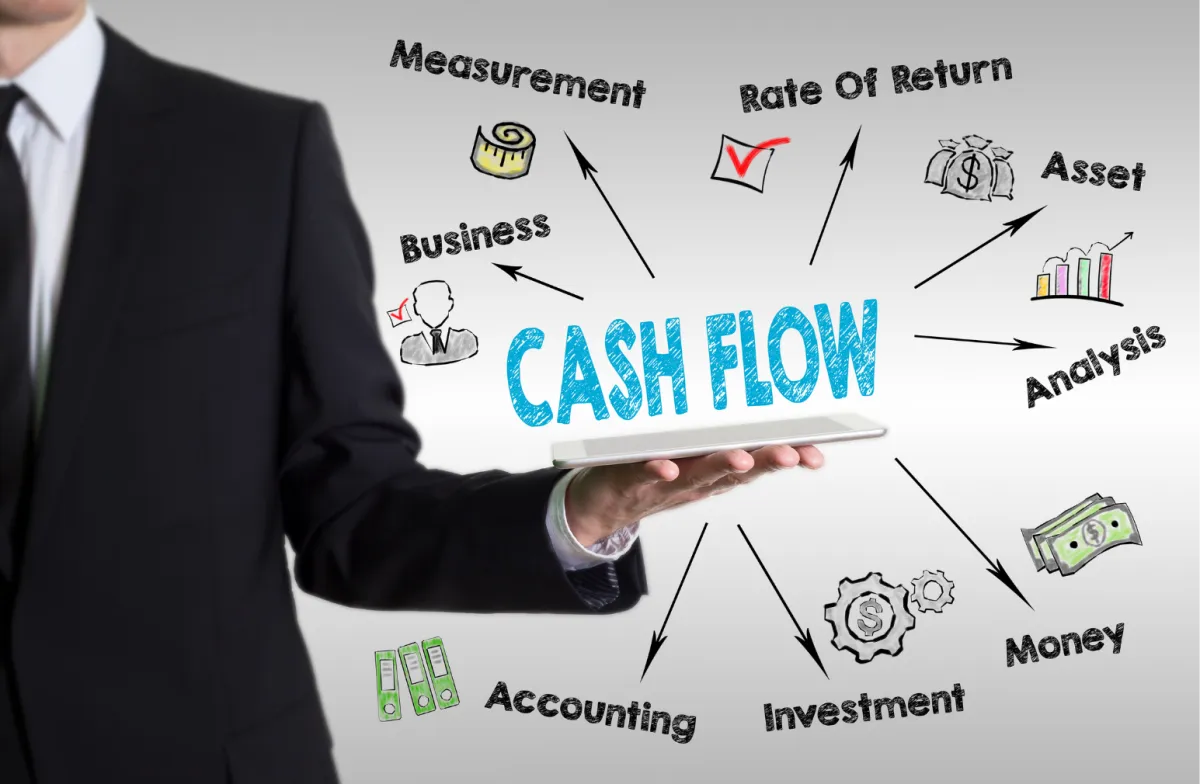
Cash Flow Matters
A property generating $3,000 per month in rent doesn't necessarily produce $3,000 of usable monthly income.
Investors should consider expenses including:
- mortgage payments
- property taxes
- insurance
- maintenance
- condominium fees
- utilities paid by the owner
- vacancy
- repairs
- property management
- potential capital expenditures
The property should be evaluated using realistic assumptions rather than the most optimistic scenario.
Think Beyond Today's Interest Rate
Investment properties are usually held for many years.
During that period:
- mortgage rates may change
- property taxes may increase
- rents may change
- repairs will occur
- vacancies can happen
- property values can rise or fall
Build flexibility into the plan.
Your Existing Home May Affect the Strategy
Some investors use equity from an existing property toward the purchase of another.
That creates additional considerations. The financing shouldn't be evaluated one mortgage at a time.
Look at your entire property portfolio and household debt position.

Understand the Tax Consequences
Rental properties can have tax implications involving rental income, expenses and potential capital gains.
Mortgage professionals can explain financing options, but tax advice should come from an appropriate tax professional.

Financing Is Only One Part of the Investment
A great mortgage cannot turn a poor investment into a good one. And the lowest mortgage rate doesn't necessarily create the best financing strategy. The objective should be financing that supports the broader investment plan.
Considering an investment property? Talk to Haystax Mortgage before making your next offer. Find a Haystax Mortgage location here.
Why Work With Haystax Mortgage?
More than one lender. More than one option.
A bank can generally offer you its own mortgage products. A mortgage brokerage can explore options from a broader range of lenders.
But access to lenders is only part of the value.
A Haystax Mortgage professional can help you understand:
how different mortgage structures compare
which lender requirements may fit your situation
the trade-offs between rate and flexibility
penalties and prepayment privileges
how your mortgage fits your longer-term financial plans
You're at HOME with Haystax!
Frequently Asked Questions
How do I finance an investment property in Canada?
Investment properties can be financed with a mortgage, but qualification and down-payment requirements differ depending on the property and whether any portion will be owner occupied.
Lenders typically consider your income, existing debts, down payment, credit, existing real estate portfolio and the property's expected or existing rental income.
A rental-property mortgage should also be evaluated as part of the overall investment plan rather than simply based on the maximum financing available.
How much down payment is needed for a rental property?
For a traditional non-owner-occupied small rental property, a minimum 20% down payment is commonly required. CMHC's small-rental program, for example, provides financing of up to 80% loan-to-value for eligible non-owner-occupied two-to-four-unit properties.
Different requirements can apply to owner-occupied properties that include rental units, and individual lenders may require more equity depending on the property and borrower.
Can rental income help me qualify for a mortgage?
The amount recognized and the method used to calculate it can vary considerably by lender and property type. A lender might use a portion of gross rent, an offset against property expenses, or another calculation permitted under its guidelines.
This is one reason the same investment property can produce different qualification results at different lenders.
Can I use equity from my home to buy a rental property?
Potentially. Homeowners with sufficient available equity may be able to refinance their existing home or use another home-equity financing structure to help fund the down payment on an investment property.
Doing so increases the debt secured against the existing home, so both properties should be evaluated together.
The strategy should consider cash flow, interest costs, qualification, taxation and the risk of carrying additional leveraged real estate.
How do lenders calculate rental income?
There is no single calculation used by every Canadian lender.
Depending on the lender and mortgage program, rental income may be considered using a percentage of the gross rent, a rental offset calculation or a review of actual rental income and expenses.
The property type, whether the applicant lives in the property, existing leases, market rents and the borrower's real estate portfolio can all affect how income is treated.
Ready to Talk About Your Mortgage?
No pressure, just clear answers, honest guidance, and a real person ready to help.
We look forward to connecting.
Send us a message

Follow Us
Follow Us
Mortgage Resources
Join Haystax
Ownership & Career Resources
Company
© Copyright 2026. Haystax Financial. All rights reserved.