
Follow Us:

Fixed vs. Variable Mortgage: Which Is Right for You?
Few mortgage questions generate more debate than:
Fixed or variable?
Unfortunately, people often answer the question by trying to predict interest rates. That's only part of the decision.
The better question is:
Which mortgage structure fits your finances, plans and tolerance for uncertainty?
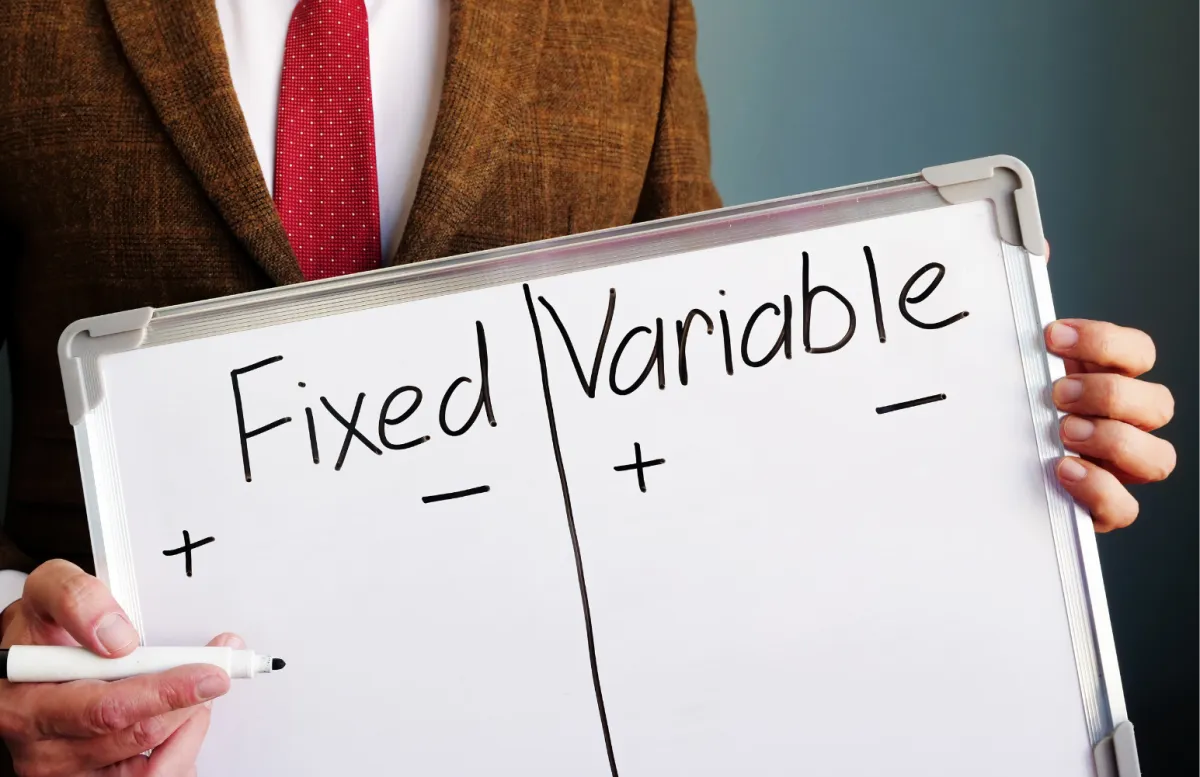
What Is a Fixed-Rate Mortgage?
With a fixed-rate mortgage, the interest rate is generally established for the mortgage term.
That provides greater certainty around borrowing costs during that term. For borrowers who place a high value on predictability, that can be attractive.
What Is a Variable-Rate Mortgage?
A variable-rate mortgage has an interest rate that can change based on the lender's applicable prime rate and the terms of the mortgage. The effect of a rate change can differ by mortgage product. Depending on the product, payment amounts or the portion of each payment applied to principal may change. Understanding the actual product matters.
Why Fixed Can Make Sense
A fixed mortgage may appeal to someone who:
- values payment certainty
- has a tighter household budget
- would be uncomfortable with rate changes
- wants predictable borrowing costs
Why Variable Can Make Sense
A variable mortgage may appeal to someone who:
- has greater cash-flow flexibility
- understands interest-rate risk
- is comfortable with changing borrowing costs
- values particular features of the variable product
But variable shouldn't be selected simply because someone believes rates are definitely going down. Forecasts are not guarantees.
Don't Ignore the Penalty
Mortgage comparison should include what happens if you need to break the mortgage early.
People move.
Relationships change.
Jobs change.
Families grow.
Investment opportunities arise.
Mortgage penalties can differ substantially between products and lenders.
That means the mortgage with the lowest rate today isn't necessarily the mortgage that will cost you the least overall.
Ask Better Questions
Instead of only asking:
"Where are rates going?"
Ask:
How stable is my income?
How much room is in my budget?
Would a higher payment create stress?
Could I sell before the term expires?
How important is payment certainty to me?
What are the prepayment and penalty provisions?
That's a much better way to select a mortgage.
At Haystax Mortgage, the goal isn't to predict the future perfectly.
It's to build a mortgage plan that can handle the future reasonably well.
Talk with Haystax Mortgage about which option may be best for you. Find a Haystax Mortgage location here.

Why Work With Haystax Mortgage?
More than one lender. More than one option.
A bank can generally offer you its own mortgage products. A mortgage brokerage can explore options from a broader range of lenders.
But access to lenders is only part of the value.
A Haystax Mortgage professional can help you understand:
how different mortgage structures compare
which lender requirements may fit your situation
the trade-offs between rate and flexibility
penalties and prepayment privileges
how your mortgage fits your longer-term financial plans
You're at HOME with Haystax!
Frequently Asked Questions
Is a fixed or variable mortgage better?
Neither fixed nor variable is automatically better for every borrower.
A fixed-rate mortgage provides greater interest-rate certainty during the term, while a variable-rate mortgage exposes the borrower to changes in the lender's applicable prime rate.
The right choice depends on your budget, financial flexibility, risk tolerance, plans for the property and the features of the specific mortgage.
What is the difference between fixed and variable mortgages?
A fixed-rate mortgage generally keeps the same interest rate for the selected mortgage term.
A variable-rate mortgage has an interest rate that can change when the lender's prime rate changes.
Depending on the variable mortgage product, a rate change may cause the required payment to change or may alter how much of an existing payment goes toward interest and principal.
What happens to a variable mortgage when rates change?
When the lender's prime rate changes, the interest rate charged on a variable mortgage can also change.
What happens next depends on the mortgage product. With some variable mortgages, the payment changes. With others, the payment may initially remain the same while the proportion applied to interest and principal changes.
Borrowers should understand exactly how their particular variable-rate mortgage works before choosing it.
Are variable mortgages riskier?
Variable mortgages involve more interest-rate uncertainty than fixed mortgages.
If rates rise, borrowing costs can rise as well. For households with limited room in their budget, that uncertainty may create financial pressure.
Someone with stronger cash flow, greater financial reserves and a higher tolerance for rate fluctuations may be more comfortable accepting that risk.
What should I consider before choosing fixed or variable?
Consider more than where you think interest rates are going.
Ask yourself:
- How much payment uncertainty can my budget handle?
- How important is predictability to me?
- Could I sell or refinance before the term ends?
- What are the mortgage's prepayment penalties?
- How flexible are its prepayment options?
- How would a significant rate change affect my finances?
The best mortgage structure is the one that fits your circumstances, not necessarily the one that wins the latest rate forecast.
Ready to Talk About Your Mortgage?
No pressure, just clear answers, honest guidance, and a real person ready to help.
We look forward to connecting.
Send us a message
Follow Us
Follow Us
Mortgage Resources
Join Haystax
Ownership & Career Resources
Company
© Copyright 2026. Haystax Financial. All rights reserved.