
Follow Us:

Using Home Equity to Consolidate Debt
Credit cards, unsecured lines of credit and personal loans can carry substantially different interest costs than mortgage financing.
If you're a homeowner with available equity, refinancing may provide an opportunity to consolidate some higher-interest debts.
But lower interest doesn't automatically mean better financial planning.
The structure matters.
What Is Mortgage Debt Consolidation?
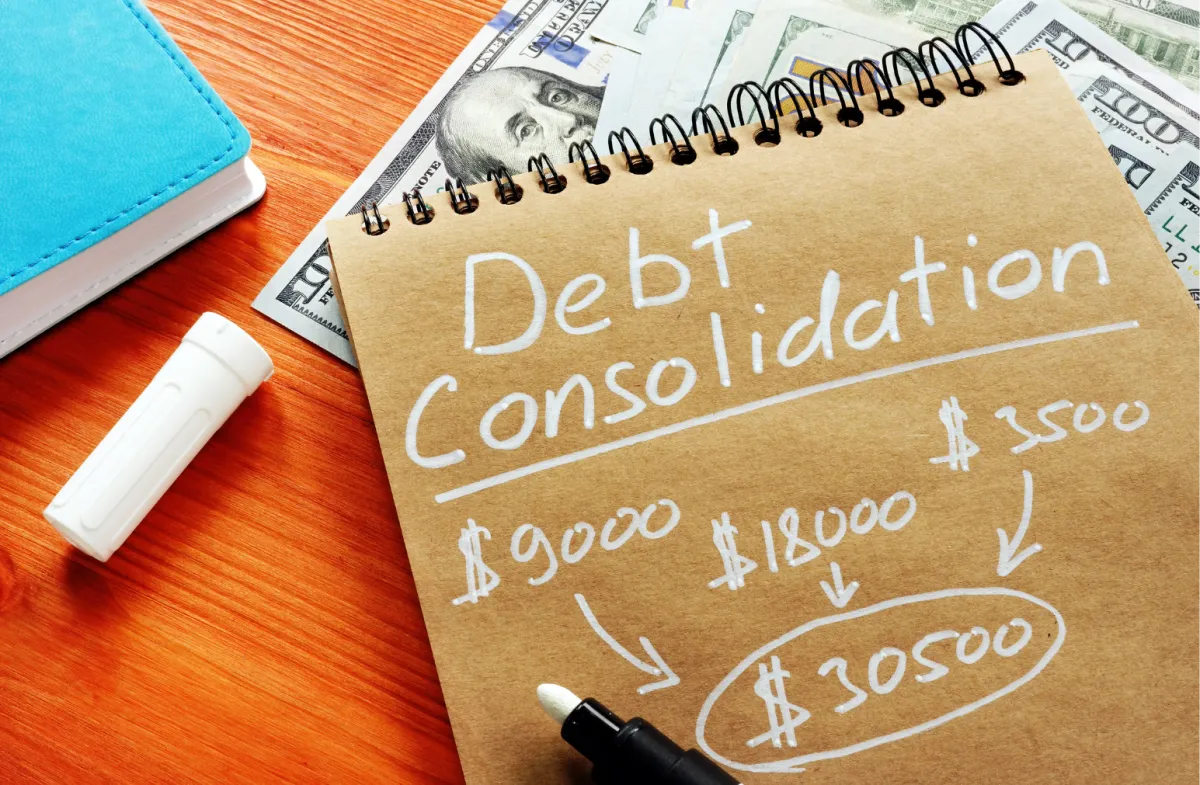
Mortgage debt consolidation generally means using available equity in your home to pay one or more other debts.
Instead of making multiple payments to different creditors, some or all of those balances may become part of financing secured against the home.
Potential advantages may include:
- a lower borrowing rate
- fewer monthly debt payments
- improved monthly cash flow
- a defined debt repayment strategy
But there are also risks.
The Biggest Mistake: Focusing Only on Monthly Payment
Suppose a consumer debt is scheduled to be repaid over three years. Moving it into a mortgage may dramatically reduce the monthly payment. But if the new debt remains outstanding for 20 years, the borrower may end up carrying it for far longer than originally intended. That's why effective consolidation should include a repayment plan.
A lower rate should ideally be used to help eliminate debt, not simply create room to borrow again.
What Happens to Your Credit Cards?
Consolidating credit card balances doesn't necessarily mean the accounts disappear. If the cards are paid down and then used again, the homeowner could eventually have: A larger mortgage plus new credit card debt.
That's why budgeting and behaviour matter just as much as interest rates.
When Can Consolidation Make Sense?
It may be worth exploring if you:
- own a home with available equity
- carry substantial higher-interest debt
- have consistent income
- want to simplify payments
- have a plan for preventing new debt accumulation
Every situation is different.
Look at the Whole Financial Picture
At Haystax, we believe a debt-consolidation conversation should look beyond the mortgage.
The questions should include:
- What are you paying today?
- Why has the debt accumulated?
- What will change after consolidation?
- How quickly can the new debt realistically be repaid?
- Will your monthly cash flow actually improve?
- Can you direct some of those savings toward faster mortgage repayment?
Good mortgage planning isn't about moving debt around.
It's about creating a better financial position.
Talk to Haystax Mortgage about whether your home equity could be part of a responsible debt-consolidation strategy. Find a Haystax Mortgage location here.
Why Work With Haystax Mortgage?
More than one lender. More than one option.
A bank can generally offer you its own mortgage products. A mortgage brokerage can explore options from a broader range of lenders.
But access to lenders is only part of the value.
A Haystax Mortgage professional can help you understand:
how different mortgage structures compare
which lender requirements may fit your situation
the trade-offs between rate and flexibility
penalties and prepayment privileges
how your mortgage fits your longer-term financial plans
You're at HOME with Haystax!
Frequently Asked Questions
Can I use my home equity to pay off debt?
Yes. If you have sufficient equity in your home and qualify for additional borrowing, you may be able to use mortgage refinancing or another home-equity financing option to pay higher-interest debts.
This can potentially reduce interest costs and simplify multiple debt payments into a more manageable structure.
However, the debt becomes secured against your home, so consolidation should be accompanied by a realistic repayment plan.
Can I consolidate credit cards into my mortgage?
Yes. Eligible homeowners may be able to refinance their mortgage and use the proceeds to pay off credit-card balances.
Mortgage interest rates are often lower than credit-card rates, which can potentially reduce both interest expense and monthly payments.
The danger is rebuilding the credit-card balances after they have been consolidated. Without changes to spending and repayment habits, a homeowner could eventually end up with both a larger mortgage and new credit-card debt.
Is mortgage debt consolidation a good idea?
Mortgage debt consolidation can be a useful strategy when it meaningfully reduces borrowing costs, improves cash flow and is supported by a plan to eliminate the debt.
It is not automatically the right solution simply because it produces a lower monthly payment.
The total cost, repayment period, refinancing costs, effect on home equity and reason the original debt accumulated should all be considered before proceeding.
Does debt consolidation lower monthly payments?
It can. Consolidating higher-interest debts into mortgage financing may reduce the interest rate and spread repayment over a longer period, which can substantially lower monthly obligations.
But a lower payment does not necessarily mean the debt costs less overall.
If debt that would have been repaid over several years is extended over a much longer mortgage amortization, the total interest paid can increase. The repayment strategy is therefore just as important as the new interest rate.
What happens to my credit cards after consolidation?
Paying credit-card balances through debt consolidation does not automatically mean the credit-card accounts will be closed.
Depending on the lender and consolidation arrangement, certain accounts may need to be closed or limits reduced, while other accounts may remain available.
If accounts remain open, it is important to avoid rebuilding the balances that were just consolidated. Otherwise, the household can end up carrying both the increased mortgage debt and new revolving debt.
Ready to Talk About Your Mortgage?
No pressure, just clear answers, honest guidance, and a real person ready to help.
We look forward to connecting.
Send us a message
Follow Us
Follow Us
Mortgage Resources
Join Haystax
Ownership & Career Resources
Company
© Copyright 2026. Haystax Financial. All rights reserved.