
Follow Us:

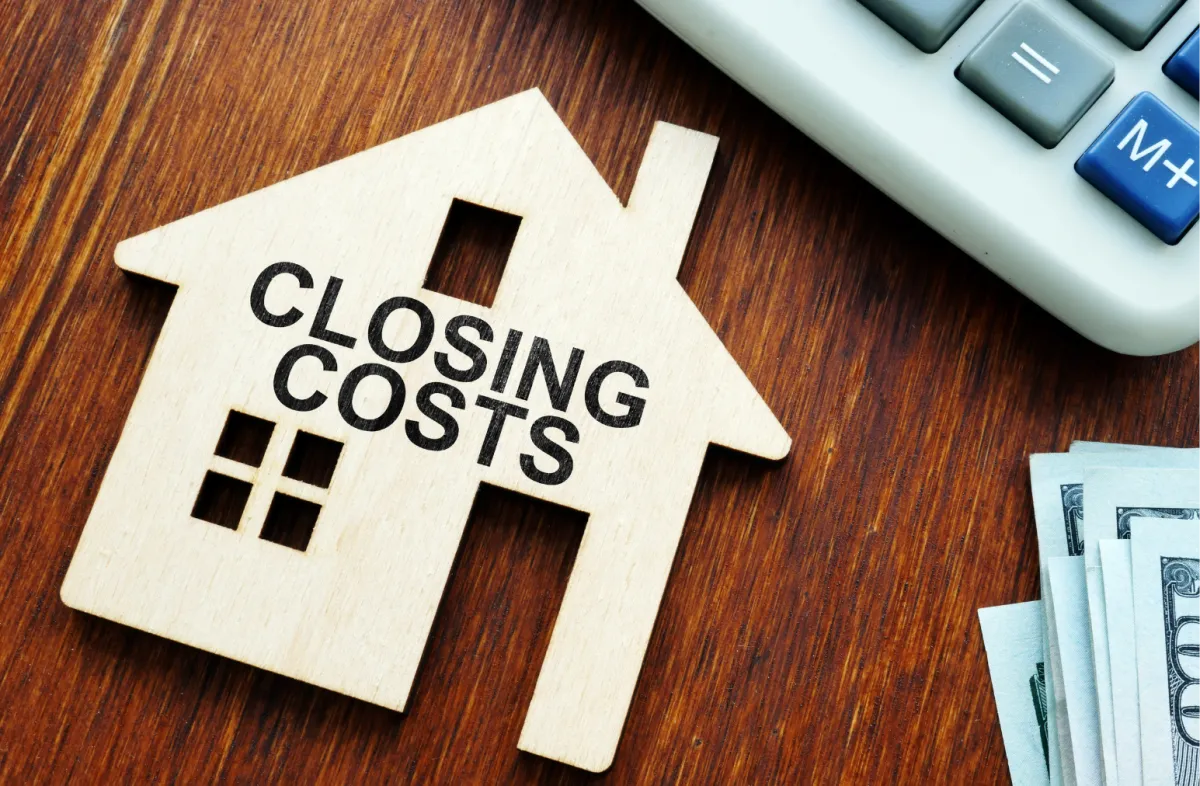
Mortgage Closing Costs in Canada
The down payment is not the only money you need when purchasing a home.
Home buyers also need to budget for costs associated with completing the transaction.
These are commonly referred to as closing costs.
Depending on the property and province, they may include legal expenses, taxes, inspections, title insurance and adjustments between the buyer and seller.
Planning for them before making an offer can help prevent an unpleasant surprise shortly before possession day.
How Much Should You Budget for Closing Costs?
There is no single percentage that applies to every Canadian home purchase.
The Financial Consumer Agency of Canada currently recommends preparing for upfront or closing costs of approximately 1.5% to 4% of the home's purchase price.
Actual costs can vary considerably depending on the province, municipality, property and transaction.

Common Closing Costs
Legal fees
A lawyer or notary may handle the transfer of ownership, mortgage registration and other legal work required to complete the purchase.
Land transfer or property transfer tax
Depending on the province and municipality, a tax may apply when ownership of property changes.
Some jurisdictions offer rebates or exemptions for qualifying first-time home buyers.
Property tax adjustments
If the seller has already paid certain property taxes covering a period after the closing date, the buyer may need to reimburse the seller for their portion.
Title insurance
Title insurance may protect against certain defects or issues involving property ownership and title.
Home inspection
Many buyers choose to have the property professionally inspected before completing the purchase.
Appraisal
A lender may require an appraisal to determine the property's market value.
Insurance
Home insurance is generally required before mortgage funding.
Moving expenses
Moving companies, utility connections and immediate repairs or purchases should also be considered even though they are not technically mortgage closing costs.
What About Mortgage Default Insurance?
When a borrower has less than a 20% down payment and obtains an insured mortgage, a mortgage insurance premium may apply. The premium can often be added to the mortgage balance, although provincial sales taxes on the premium may have different treatment depending on the province.
Your mortgage professional can explain how this applies to your transaction.
Why Closing Costs Matter for Mortgage Qualification
It isn't enough to demonstrate that you have the required down payment.
The lender may also need to be satisfied that you have sufficient funds to complete the purchase.
That's one reason buyers should avoid using every available dollar for the down payment without considering what will be required at closing.

Keep a Cash Reserve
Closing day is often followed by additional costs.
You may discover that:
- appliances need replacing
- furniture is required
- utility deposits apply
- repairs are needed
- property taxes arrive sooner than expected
Using every dollar of savings to increase the down payment can leave a new homeowner with very little financial flexibility.
A larger down payment can be valuable. So can having cash available after you get the keys.

Plan Before Making the Offer
Before shopping for a home, determine:
your down payment
plus
your anticipated closing costs
plus
the emergency savings you want left after closing.
That provides a much more realistic home-buying budget.
At Haystax Mortgage, we believe mortgage affordability should consider the complete cost of becoming a homeowner, not simply the amount needed to qualify for the mortgage.
Talk with Haystax Mortgage before you start shopping so you understand both your mortgage range and the cash you'll need to complete the purchase. Find a Haystax Mortgage location here.
Why Work With Haystax Mortgage?
More than one lender. More than one option.
A bank can generally offer you its own mortgage products. A mortgage brokerage can explore options from a broader range of lenders.
But access to lenders is only part of the value.
A Haystax Mortgage professional can help you understand:
how different mortgage structures compare
which lender requirements may fit your situation
the trade-offs between rate and flexibility
penalties and prepayment privileges
how your mortgage fits your longer-term financial plans
You're at HOME with Haystax!
Frequently Asked Questions
How much are closing costs in Canada?
FCAC currently recommends being prepared for approximately 1.5%–4% of the purchase price in upfront or closing costs. The actual amount depends on the province, municipality and transaction.
Are closing costs included in my down payment?
No. The down payment and closing costs are separate. Buyers should plan for sufficient cash to cover both.
What closing costs do first-time home buyers pay?
Potential expenses include legal or notary fees, land or property transfer taxes, tax adjustments, title insurance, inspections, appraisal expenses and moving-related costs. Available first-time buyer rebates vary by jurisdiction.
Do I need a lawyer when buying a home?
Legal requirements vary across Canada, but a lawyer or notary commonly handles ownership transfer, mortgage registration and other closing matters.
Can closing costs be added to my mortgage?
Many closing expenses need to be paid separately rather than financed within the standard mortgage. Certain mortgage insurance premiums may be added to the mortgage, depending on the transaction.
Ready to Talk About Your Mortgage?
No pressure, just clear answers, honest guidance, and a real person ready to help.
We look forward to connecting.
Send us a message
Follow Us
Follow Us
Mortgage Resources
Join Haystax
Ownership & Career Resources
Company
© Copyright 2026. Haystax Financial. All rights reserved.