
Follow Us:

How Much Mortgage Can I Afford?
It's one of the first questions most home buyers ask.
How much mortgage can I afford?
But there are actually two answers.
The first is:
How much mortgage might a lender approve?
The second is:
How much mortgage can you comfortably afford?
The second number may be more important.
How Lenders Determine Mortgage Qualification
Mortgage lenders generally evaluate several factors.
These can include:
- gross income
- existing debts
- credit history
- down payment
- property taxes
- heating costs
- condominium fees
- mortgage interest rate
- amortization
- qualifying mortgage rate
For uninsured mortgages with federally regulated lenders, borrowers are generally qualified using the greater of the contractual mortgage rate plus 2% or 5.25%, subject to applicable rules and exceptions.

Your Other Debts Matter
A household earning $150,000 with no consumer debt may qualify differently from a household earning the same amount with:
- two vehicle loans
- large credit-card balances
- student loans
- lines of credit
That's because lenders assess the relationship between your income and debt obligations. Learn about credit.
Your Down Payment Matters
A larger down payment reduces the mortgage required. For eligible insured mortgages, minimum down payments currently begin at 5% for the first $500,000 of the purchase price and 10% for the portion above that threshold. Mortgage insurance is generally required when the down payment is below 20%. But down payment isn't the only cash you'll need. Remember to budget for closing and moving-related costs.
Qualification Isn't a Lifestyle Budget
This is where mortgage affordability gets interesting.
A lender may determine that your income can support a particular mortgage payment.
The lender doesn't necessarily know that you:
- travel twice each year
- want to contribute aggressively to retirement
- have children in expensive activities
- plan to replace your vehicle
- want to start a business
- prefer significant monthly savings
That's why maximum approval shouldn't automatically equal maximum purchase price.
Build a Household Budget First
Before deciding on a home price, look at your future housing costs.
Consider:
- Mortgage payment
- Property taxes
- Utilities
- Home insurance
- Condo fees
- Maintenance
- Emergency repairs
Then ask:
What remains after housing costs?
If owning the house prevents you from enjoying everything else that matters to you, the house may be affordable according to a lending formula but uncomfortable according to your actual life.
Mortgage Affordability Is Personal
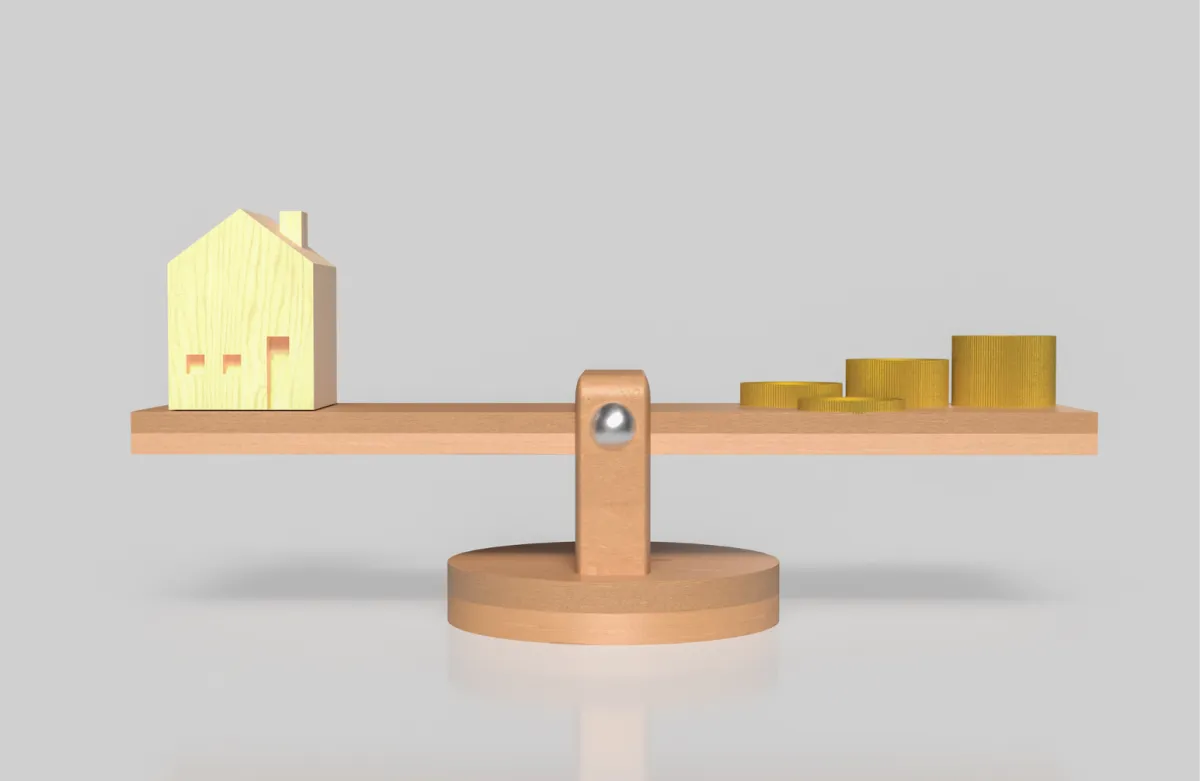
The objective isn't to borrow as much as possible.
It's to use mortgage financing strategically while maintaining a sustainable financial life.
That's why we believe mortgage planning should happen before house shopping whenever possible.
Talk to Haystax Mortgage and understand your mortgage range before deciding what to spend. Find a Haystax Mortgage location here.
Why Work With Haystax Mortgage?
More than one lender. More than one option.
A bank can generally offer you its own mortgage products. A mortgage brokerage can explore options from a broader range of lenders.
But access to lenders is only part of the value.
A Haystax Mortgage professional can help you understand:
how different mortgage structures compare
which lender requirements may fit your situation
the trade-offs between rate and flexibility
penalties and prepayment privileges
how your mortgage fits your longer-term financial plans
You're at HOME with Haystax!
Frequently Asked Questions
How much mortgage can I afford in Canada?
Mortgage affordability depends on your income, existing debt obligations, down payment, credit profile, mortgage rate and expected housing expenses.
Lenders also assess whether you can afford the mortgage using prescribed qualifying requirements rather than only the payment at the contract rate.
The amount a lender approves should be treated as a maximum qualification, not automatically as your personal home-buying budget.
How much house can I afford based on my income?
Income is an important factor, but it cannot determine home affordability by itself.
Two households with the same income can qualify for very different mortgage amounts if one has substantial vehicle loans, credit-card balances or other debt.
Down payment, property taxes, heating costs, condominium fees, credit and mortgage rates also affect the calculation. The best way to establish an accurate range is to review your complete financial picture.
How do lenders calculate mortgage affordability?
Mortgage lenders compare your income with your housing expenses and other debt obligations using debt-service calculations.
Housing expenses can include the mortgage payment, property taxes, heating and, where applicable, a portion of condominium fees. Other debts such as vehicle loans, credit cards and lines of credit are also considered.
For most uninsured mortgages at federally regulated lenders, borrowers are currently qualified at the greater of the contract rate plus 2% or 5.25%.
How does debt affect how much mortgage I can get?
Existing debt generally reduces the amount of mortgage you can qualify for because lenders consider your total monthly debt obligations relative to your income.
Vehicle payments, credit-card balances, lines of credit, student loans and other obligations can all affect qualification.
Reducing certain debts before purchasing a home can sometimes increase mortgage borrowing capacity, but the best strategy depends on the amount of cash available and your overall financial circumstances.
How does the mortgage stress test affect affordability?
The mortgage stress test requires many borrowers to demonstrate that they could afford their mortgage at a higher qualifying interest rate than the actual contract rate.
For uninsured mortgages at federally regulated lenders, the current qualifying rate is the greater of the contract mortgage rate plus 2% or 5.25%.
Because qualification uses this higher rate, the maximum mortgage a borrower qualifies for can be lower than it would be if only the actual mortgage payment were considered.
How much should I spend on a house?
You should spend an amount that allows you to comfortably manage your total housing costs while continuing to meet your other financial and lifestyle goals.
Consider not only the mortgage payment but also property taxes, insurance, utilities, maintenance, condominium fees where applicable, savings and emergency expenses.
The maximum mortgage you qualify for and the mortgage you can comfortably afford are not necessarily the same thing.
Ready to Talk About Your Mortgage?
No pressure, just clear answers, honest guidance, and a real person ready to help.
We look forward to connecting.
Send us a message

Follow Us
Follow Us
Mortgage Resources
Join Haystax
Ownership & Career Resources
Company
© Copyright 2026. Haystax Financial. All rights reserved.